Top 10 Affordable Overseas Trips for Australians in 2027
An affordable overseas holiday is not simply the country with the cheapest meal. Australians need to combine airfares, accommodation, local transport, visas, insurance, exchange rates and the cost of reaching the departure airport. A nearby destination with moderate daily costs can beat a very cheap country requiring expensive connections.
Vietnam is the best overall value choice for 2027, with Indonesia, Malaysia and Thailand close behind. Cambodia, the Philippines, Sri Lanka and India can stretch an on-ground budget further, while Japan and South Korea offer value through transport, safety and plentiful lower-cost food when travel dates are chosen carefully.
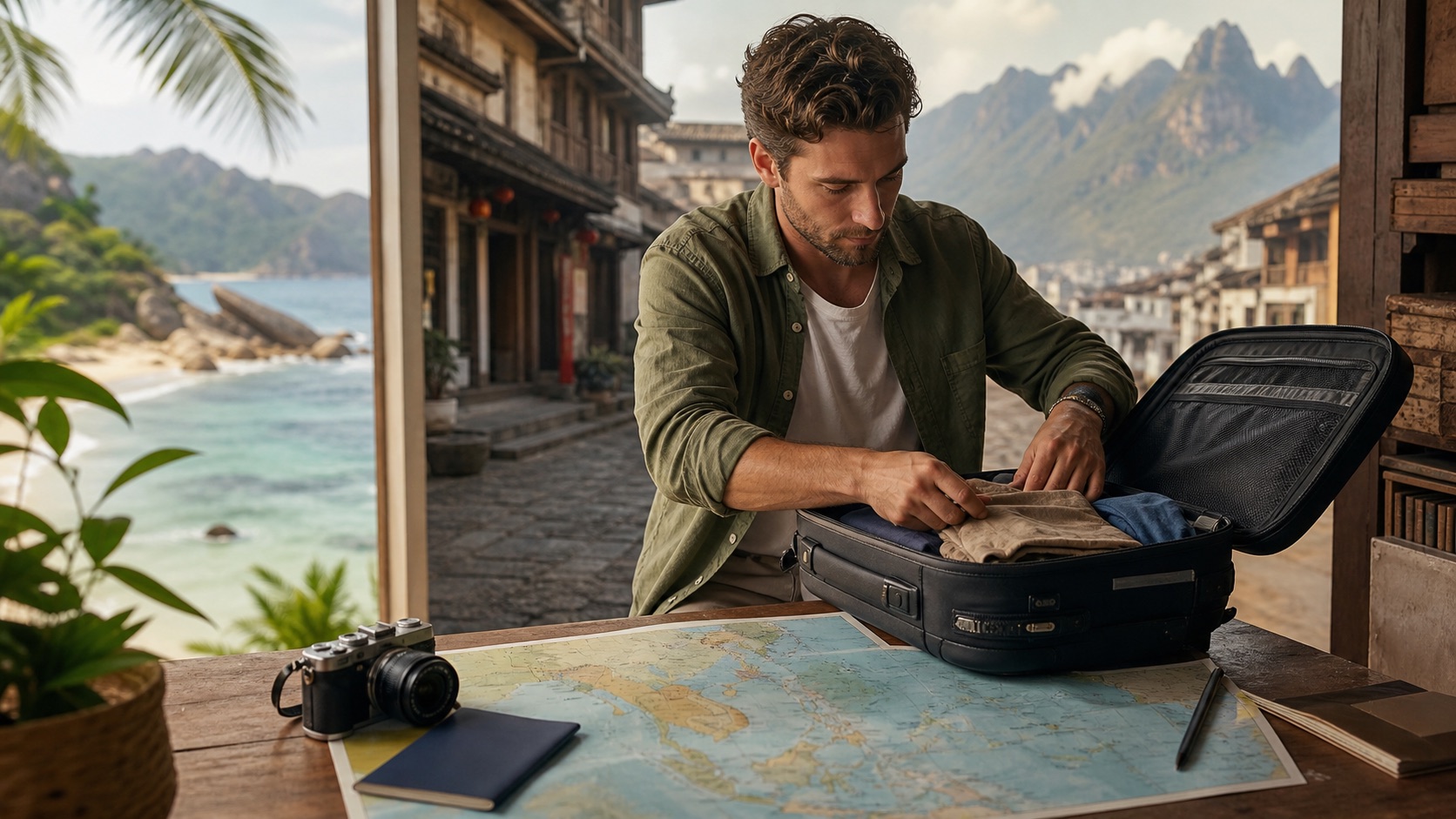
Best-value destinations for Australians
| Destination | Best for | Cost trap to avoid |
|---|---|---|
| Vietnam | Food, culture and varied routes | Too many domestic flights |
| Indonesia | Short flights and flexible stays | Resort areas and holiday surcharges |
| Malaysia | Families and easy transport | Assuming islands cost the same as cities |
| Thailand | First-time independent travel | Peak-season rooms and tourist transport |
| Cambodia | History and a compact itinerary | Foreign-currency fees and rushed touring |
| Philippines | Beaches and island choice | Repeated ferries and flights |
| Sri Lanka | Scenic rail and wildlife | Private-driver and park costs |
| India | Exceptional on-ground value | Long distances and complex transport |
| Japan | Reliable budget travel outside peaks | Rail and accommodation in major holidays |
| South Korea | City food and public transport | High-end Seoul accommodation |
These are planning recommendations, not safety rankings. Conditions, entry rules and travel advice can change. Check Smartraveller for every destination close to departure and obtain suitable insurance.
1. Vietnam: best overall value
Vietnam combines competitive food and accommodation with routes that suit trips from one week to a month. Ho Chi Minh City and the Mekong work for a southern itinerary; Hanoi, Ninh Binh and Ha Long Bay create a northern one; central Vietnam connects Hue, Da Nang and Hoi An.
The cheapest itinerary is not the one that attempts all three regions in ten days. Domestic flights, airport transfers and lost travel time add cost. Choose one or two areas and use trains or buses where they improve the experience.
Street food and small hotels can be excellent value, but book reputable transport and confirm visa requirements through official channels. Crossing roads, scooter hire and food hygiene deserve realistic risk assessment. Travel insurance should cover planned activities and pre-existing conditions.
2. Indonesia: best for short flights and choice
Indonesia offers far more than Bali, but Bali's direct flights from several Australian cities make it cost-effective for shorter trips. Travellers can choose a simple beach stay, inland villages or a combined itinerary with Java, Lombok or other islands.
Popular Bali districts can cost as much as parts of Australia for imported food, cocktails and premium villas. Value improves by eating locally, choosing accommodation away from the most congested zones and limiting private transfers.
Inter-island plans need careful buffers. Boats can be delayed, and a cheap flight may require baggage fees and a long airport journey. Check local health, volcano, weather and transport advice, and do not ride a scooter without the correct licence, helmet and insurance cover.
3. Malaysia: best for families
Malaysia combines modern transport, varied food and English widely used in tourism. Kuala Lumpur, Penang and Melaka form an easy cultural and food route, while islands and Borneo add nature at a higher logistics cost.
Family rooms, shopping-centre food courts and rail connections can make daily spending predictable. Low-cost flights from Australia and within the region often help, though baggage and seat charges must be included.
Choose the trip around weather by coast rather than assuming one national season. An urban Peninsula itinerary is usually cheaper than adding remote wildlife excursions. Malaysia is particularly good for travellers who want independent travel without sacrificing transport convenience.
4. Thailand: best first independent trip
Thailand's tourism infrastructure makes it easy to build a trip at different budgets. Bangkok, Chiang Mai and a single island or coastal area can provide markets, temples, food and beach time without constant movement.
Peak northern winter and major holiday periods raise room prices sharply. Island transfers, beach clubs and imported products also erode the apparent low daily cost. Book the expensive nights first, then compare the full route.
Use licensed transport, treat animal attractions sceptically and check seasonal air-quality or monsoon conditions. Thailand offers excellent value when travellers avoid cramming multiple coasts into a short holiday.
5. Cambodia: best compact history trip
Cambodia can combine Phnom Penh and the Angkor temples near Siem Reap in a manageable itinerary. Guesthouses, local meals and app-based transport are generally accessible, while the country's history provides much more depth than a weekend temple stop.
Angkor passes, guides and transport are legitimate major costs. Budget for them instead of treating every day as equally cheap. The country uses both local and US currency in practice, so exchange and card fees require attention.
Allow time for the difficult history of the Khmer Rouge without turning sites of suffering into casual attractions. Check border and regional travel advice and use official visa channels. A slower one-week route often costs less and feels more respectful than adding another country immediately.
6. Philippines: best for choosing the right beach
The Philippines offers thousands of islands, English widely spoken and beach options from established resort centres to quieter regions. The key to affordability is choosing one island cluster rather than trying to sample the entire country.
Flights, ferries, baggage, terminal transfers and weather delays can dominate a multi-island budget. A cheap room does not compensate for four travel days. Compare Palawan, Cebu-region islands and other areas by season, transport and the activities you actually value.
Build buffers before an international flight and use reputable boat operators. Weather systems can change schedules quickly. Urban congestion and remote medical access should be reflected in plans and insurance.
7. Sri Lanka: best for scenery in a small country
Sri Lanka brings historic cities, tea country, beaches and wildlife into a relatively compact land area. Trains and buses can be inexpensive, while guesthouses make independent trips achievable. A route through Kandy, the highlands and one coast can avoid excessive backtracking.
Famous scenic trains sell out or become crowded, and private cars add substantially to daily costs. National-park safaris and entrance tickets are worth budgeting separately. Monsoon patterns differ between coasts, so timing changes the practical itinerary.
Check current political, health and transport advice. Use licensed guides where required and keep realistic travel times: a short distance on a map may take much of a day.
8. India: best for long-trip on-ground value
India can offer exceptional value for food, rail travel and accommodation across a huge range of experiences. Rajasthan, Kerala and a focused northern or southern route are better first plans than attempting the entire country.
Distance is the hidden cost. Domestic flights, overnight trains, drivers and recovery days can consume money and time. Paying more for a reputable hotel, reserved carriage or trusted transfer may be a sensible safety and comfort decision.
Entry requirements, health preparation and regional conditions need early research. Avoid improvised wildlife or adventure operators. India rewards time and focus; it is most affordable when a traveller stays long enough to justify the flight without turning the itinerary into an endurance test.
9. Japan: best high-value developed destination
Japan is not the cheapest country on this list, but the total experience can be good value when the Australian dollar is favourable and travellers use business hotels, supermarkets, casual restaurants and local rail. Reliable public transport reduces the need for taxis or tours.
The nationwide rail pass is no longer an automatic bargain. Price individual journeys and regional passes. Tokyo, Kyoto and ski areas become expensive during peak periods, while secondary cities can offer similar food and cultural quality with lower rooms.
Avoid Golden Week, New Year and major local events unless they are the purpose of travel. Book rooms early and travel with modest luggage. Japan belongs here because predictable, high-quality basics can make a controlled budget realistic.
10. South Korea: best city break value
South Korea offers efficient public transport, extensive casual dining and a mix of Seoul, historic cities, mountains and coast. A Seoul-and-Busan route is simple, while regional cities can reduce accommodation costs.
Trendy districts, premium cafés and beauty shopping can make Seoul expensive quickly. Use transit cards, markets and neighbourhood restaurants, and choose accommodation near a useful subway interchange rather than a famous address.
Weather ranges from cold winters to hot, wet summers. Spring and autumn are popular and can lift prices. Korea is a strong value destination for travellers who prioritise food, cities and transport over resort-style relaxation.
Build a realistic trip budget
Price the journey door to door: Australian domestic connection, checked baggage, airport transport, visa, insurance, accommodation, local transport, activities, food and a contingency. Convert everything to Australian dollars using a slightly worse rate than today's quote.
Separate fixed and daily costs. Flights and insurance do not fall when you eat more cheaply, so a longer trip can have a lower average daily cost while still costing more in total. Prepay only reputable services and preserve flexibility where weather affects the route.
Use a card with transparent foreign-exchange terms and carry a backup stored separately. Decline dynamic currency conversion when a merchant terminal offers to charge in Australian dollars unless you have compared the rate; local-currency charging is often better.
Safety, insurance and responsible value
Read Smartraveller's destination advice, subscribe to updates and ensure insurance covers every country and activity. “Affordable” should not mean skipping vaccinations, helmets, safe transport or medical cover. Some insurers exclude riding motorcycles without an Australian motorcycle licence or without a helmet.
Respect local wages and communities. Bargaining may be normal in one market and inappropriate in another. Choose locally owned services where practical, avoid wildlife exploitation and do not trespass for a social-media image.
The best affordable trip for 2027
Vietnam offers the strongest combination of air access, on-ground value and varied experiences. Indonesia is hard to beat for a short trip, Malaysia for families, and Japan for travellers wanting predictability within a controlled budget.
Book the route, not the fantasy headline price. Fewer stops, shoulder-season dates and a contingency fund usually create a cheaper and better holiday. Explore Sarvalaya's growing Australia travel and city guide while planning departures and local connections.